

Some actors don’t need to appear on-screen to command the audience’s attention. A single line, delivered in the right voice, can send a chill down your spine, make you laugh, or transport you to another world entirely. The most iconic voices in film and television are instantly recognizable: a gravelly growl, a velvety purr, a booming baritone, or a quiet, unsettling whisper. They’ve narrated our favorite stories, brought animated characters to life, and turned ordinary dialogue into lines we quote for decades.
What makes a voice iconic isn’t just its sound, but what the actor does with it. Pitch, rhythm, texture, and timing can define a character, or an entire career. Some performers, such as James Earl Jones and Peter Lorre, have voices that are so distinctive that almost anyone could pick them out from a single syllable, even in a crowded room or a dark theater. From ’80s action star Arnold Schwarzenegger to the Master of Horror Vincent Price, these are eight actors whose voices have left the biggest mark on our ears, and on our memories, making them some of the most iconic in entertainment history.
8
Arnold Schwarzenegger

Few voices in cinema are as instantly recognizable as Arnold Schwarzenegger, who made a name for himself starring in hit movies such as The Terminator, Total Recall, and True Lies. His thick Austrian accent, deep timbre, and clipped, deliberate delivery turned what could have been a career obstacle into his greatest trademark. Early in his career, studio executives reportedly worried that audiences wouldn’t understand him, and some projects even dubbed over his lines, but that unmistakable sound soon became inseparable from the characters he played.
Nowhere is this clearer than in The Terminator, notably his flat, mechanical delivery of “I’ll be back,” which turned a simple phrase into one of the most quoted lines in movie history. The accent gave the cyborg an otherworldly quality, making him feel both human and not quite human at once. Later roles, from Commando to Predator to Kindergarten Cop, showed how that same voice could deliver menace, dry humor, or unexpected warmth. Even decades later, a few words in that distinctive baritone are enough to summon an entire generation of film fans, essentially solidifying Schwarzenegger’s place on this list.
7
Morgan Freeman

Warm, resonant, and unhurried, Morgan Freeman has a distinct voice that sounds like wisdom itself and carries an authority that makes listeners lean in and trust whatever comes next. Few actors can make a simple sentence feel like a revelation, but Freeman does it almost effortlessly. In The Shawshank Redemption, his reflective narration as Red became the soul of the film, guiding viewers through decades of hope and hardship. In March of the Penguins and Invictus, his calm delivery lent gravity and tenderness to the story. He even played God in Bruce Almighty and Evan Almighty, a casting choice that needed almost no explanation.
His career is a showcase of that gift, and his patience is what ultimately sets him apart from others. Freeman slows the rhythm of a sentence, letting each word land with a smooth, gravelly richness that feels both comforting and commanding. There is no strain or showiness, only quiet confidence. That quality has made him one of the most sought-after narrators in the world, as well as a favorite target for parody. Whether he’s telling a story about prison, penguins, or the cosmos, Freeman’s voice turns narration into something close to a conversation with an old, trusted friend.
6
Peter Lorre

Peter Lorre had a voice that was unlike anything else in classic Hollywood. Soft, wheezy, and faintly sinister, his voice slithered through a sentence with a mix of menace and vulnerability that audiences couldn’t forget. Born in Austria-Hungary, Lorre carried a subtle Central European accent that provided every role of his with an air of mystery and unease. His breakout performance in Fritz Lang’s M showcased how his voice could convey a frightened, unraveling mind. When he made his American debut, his distinct voice became a staple of classic film noir and later the horror genre.
In both The Maltese Falcon and Casablanca, Lorre delivers lines with a nervous, oily charm that made his characters unforgettable even in small parts, while his slightly bulging eyes and gentle lisp-like softness only added to the effect. While he left an everlasting mark on classic cinema, his influence lingers well beyond his own films. Looney Tunes cartoons mimicked his voice and signature appearance for decades, and countless impressionists have borrowed his breathy purr. Even people who have never seen a Lorre film often recognize his voice, which is a testament to how deeply Lorre’s strange, silky voice entered popular culture.
5
James Stewart
-
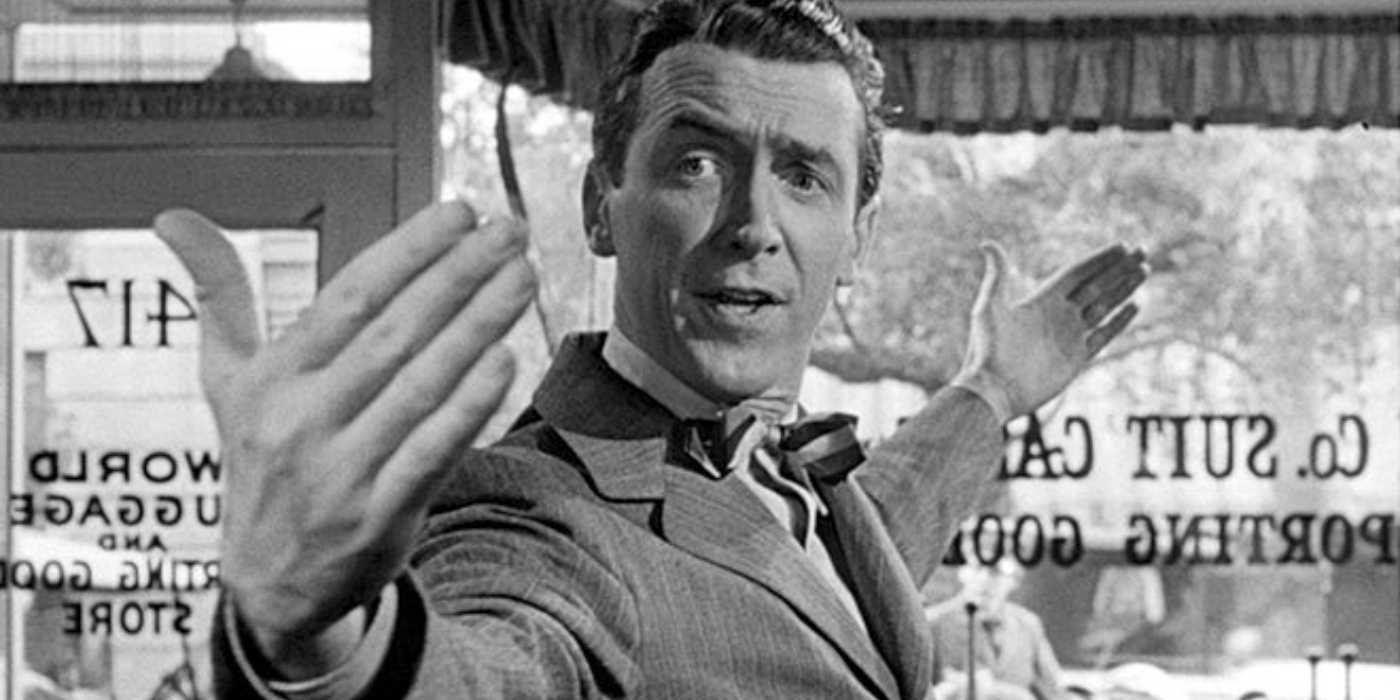 Image via RKO Radio Pictures
-
 Image via Paramount Pictures
-
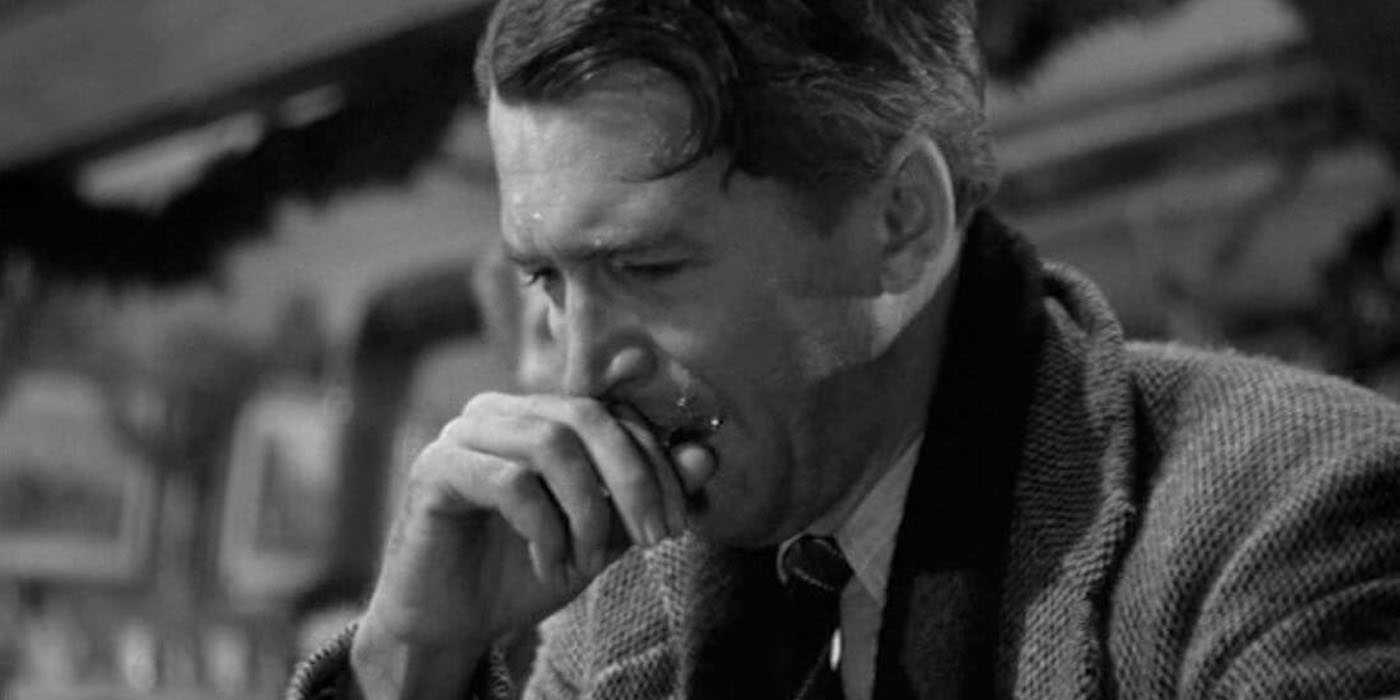 Image via RKO Radio Pictures
James Stewart is a classic cinematic icon who had a slow, halting drawl that, with its wavering pauses and gentle stammer, made him feel less like a movie star and more like a neighbor you’d trust with anything. Born in Pennsylvania, Stewart brought a small-town warmth to every line, turning hesitation into a signature of honesty and sincerity. His most beloved performances rely on that quality. In It’s a Wonderful Life, George Bailey’s desperation and tenderness spill out through a voice that cracks and strains under pressure. In Mr. Smith Goes to Washington, his hoarse, exhausted filibuster becomes a triumph of conviction, the voice itself giving proof of the character’s resolve.
Later, in some of Alfred Hitchcock’s thriller masterpieces like Vertigo and Rear Window, that same easygoing tone made his characters’ obsessions and anxieties feel all the more unsettling. What makes his voice so distinctive is its imperfection. He rarely sounds polished, and that apparent awkwardness conveys vulnerability and decency in equal measure. His voice has been parodied in popular movies and television shows, including American Dad! and Puss in Boots: The Last Wish, and his drawn-out “Well, now…,” has since become a verbal fingerprint. Even decades later, Stewart’s voice still evokes an idealized American everyday man who sounds like someone who means exactly what he says.
4
Sean Connery

Scottish actor and producer Sean Connery had a voice that was pure swagger wrapped in rich velvet and carried a confidence that made every line sound like a dry joke or a quiet threat. His famous sibilant “s,” which often slid into a soft “sh,” became one of the most imitated vocal quirks in movie history, rightfully earning Connery a place among the most iconic voices of all time. Known universally for his role as James Bond, Connery turned a few simple words, “Bond, James Bond,” into cultural shorthand and delivered the line with such effortless cool that it went on to define the character for generations.
His voice proved equally powerful beyond the spy genre, especially in action and drama. In The Untouchables, his voice gave his streetwise cop a gruff, fatherly authority that won him an Academy Award for Best Supporting Actor. In Indiana Jones and the Last Crusade, he brought a comic stuffiness to his role as Jones’ father, and in The Hunt for Red October, he made a Soviet submarine captain sound oddly Highland. What made Connery’s voice special was that he never softened his natural accent to suit a role. Instead, he let the role bend around the voice, and the result was a sound so rich and distinctive that, even decades later, it remains instantly recognizable.
3
Christopher Walken

Born in Queens, Christopher Walken has a voice that is a rhythm section all its own and speaks with a New York cadence that he bends into something unpredictable: odd pauses, sudden stresses, and a staccato delivery that lands words in places no one expects. A simple sentence becomes a strange little piece of music. That unpredictability has made him unforgettable in the majority of his movies. In Pulp Fiction, his monologue about a gold watch turned a few minutes of dialogue into a cult classic, delivered with a deadpan intensity that is both funny and unnerving.
In Catch Me If You Can, the same voice added weary tenderness, while in The Deer Hunter it carried a raw, haunted sense of desperation and hopelessness. He treats dialogue like a jazz solo, improvising emphasis and tempo so that even mundane lines feel eccentric and a little menacing. His cadence is among the most imitated in entertainment, and the famous line, “More cowbell!” in the Saturday Night Live sketch proved how thoroughly it had entered popular culture. One voice, endless imitations, and none quite right, which is essentially why Walken ranks as one of the most iconic voices in entertainment history.
2
James Earl Jones

James Earl Jones had a voice that sounded like thunder rolling in from somewhere far beyond the horizon. Deep, resonant, and perfectly controlled, it carried a gravity that could make a whisper feel monumental. That richness is all the more remarkable given that he struggled with a severe stutter as a child and barely spoke for years, a story that makes his command of language feel like a triumph. Nothing cemented his legend quite like his role as Darth Vader. Though David Prowse wore the costume, it was Jones’ voice that gave the Sith Lord his terrifying but alluring presence. Every slow, measured breath and every line, from commands to confessions, carried both menace and a hint of tragedy.
Jones brought the same majesty to Mufasa in Disney‘s The Lion King, where that booming warmth made the king feel like a father and a force of nature at once, while in Field of Dreams and Coming to America, he showed his range with gentler, weary tones without diminishing his immense presence. Even his announcement “This is CNN” made a news network sound like a pillar of authority. Jones’ ability to use his depth with such restraint is ultimately what makes his voice unmatched. He never needed volume to command attention. A single low syllable was enough, and generations of listeners still hear it as the sound of power.
1
Vincent Price

Smooth, theatrical, and dripping with dark amusement, Vincent Price’s voice was a velvet-draped invitation to the macabre, and even years later, it remains one of the most recognizable voices of all time. Known as the Master of Horror, Price could turn a ghost story into an elegant seduction, and his mid-Atlantic diction, rolling vowels, and precisely sculpted pauses gave even the most gruesome material an air of aristocratic refinement. In House of Wax, The Fall of the House of Usher, and The Abominable Dr. Phibes, he played villains who sounded far too civilized to be as dangerous as they were, and his readings of Edgar Allan Poe, delivered with relish and perfect timing, are still treasured by fans of gothic literature.
Price also had a wicked sense of humor, and his voice always seemed to wink at the audience. He understood that horror works best when it is slightly playful, and he savored every syllable like a connoisseur savoring fine wine. His most famous vocal moment may be the spoken-word section of Michael Jackson’s Thriller, where his sinister laughter and rhythmic recitation became part of pop history. He also lent his pipes to the world of animation, notably Disney’s The Great Mouse Detective as Professor Ratigan and enchanted modern audiences in Tim Burton’s Edward Scissorhands. Decades later, that sly, silky voice remains the gold standard for spooky storytelling and is without question one of the most iconic voices to ever grace the public’s ear.



Comments
Advertisement